
About Us
Swainsley and our Peak District cottages
We fell in love with Swainsley Farm one day in November 1979. The sun was shining brightly, there was a little snow on the ground and we were amazed by the beauty of the Manifold Valley – everything was so incredibly peaceful and pristine! It’s the only home we have ever had and it’s been a wonderful place to bring up three daughters. Our 18th Century farm buildings were not viable in terms of modern agriculture and holiday cottages seemed the best way of preserving them. We’ve tried to provide what we would want on holiday: quiet, peaceful and luxurious accommodation in surroundings where it’s easy to relax and unwind. The Peak District offers a huge range of activities … we’d love to welcome you to our spectacular home!
Liz and Chris Snook
Villages, Pubs/Restaurants and Shops near our Peak District cottages
The holiday cottages are surrounded by some of the prettiest villages in the National Park: Alstonefield, Butteron, Wetton, Warslow, Grindon and Hartington. There is a superb choice of pubs and restaurants (some award winning). Butterton (1.25 miles) has the Black Lion. The hamlet of Hulme End (1.25 miles along the Manifold Trail has the Manifold Inn). Warslow has the Greyhound (¾ mile trek through fields).
The larger, and very picturesque, village of Hartington (3 miles) has a duck pond, tearooms, Cheese & Wine Shop, Village Stores, Newsagents, Charles Cotton Hotel and the Devonshire Arms. Alstonefield is a lovely village, also about 3 miles away, with the George Inn overlooking the village green.
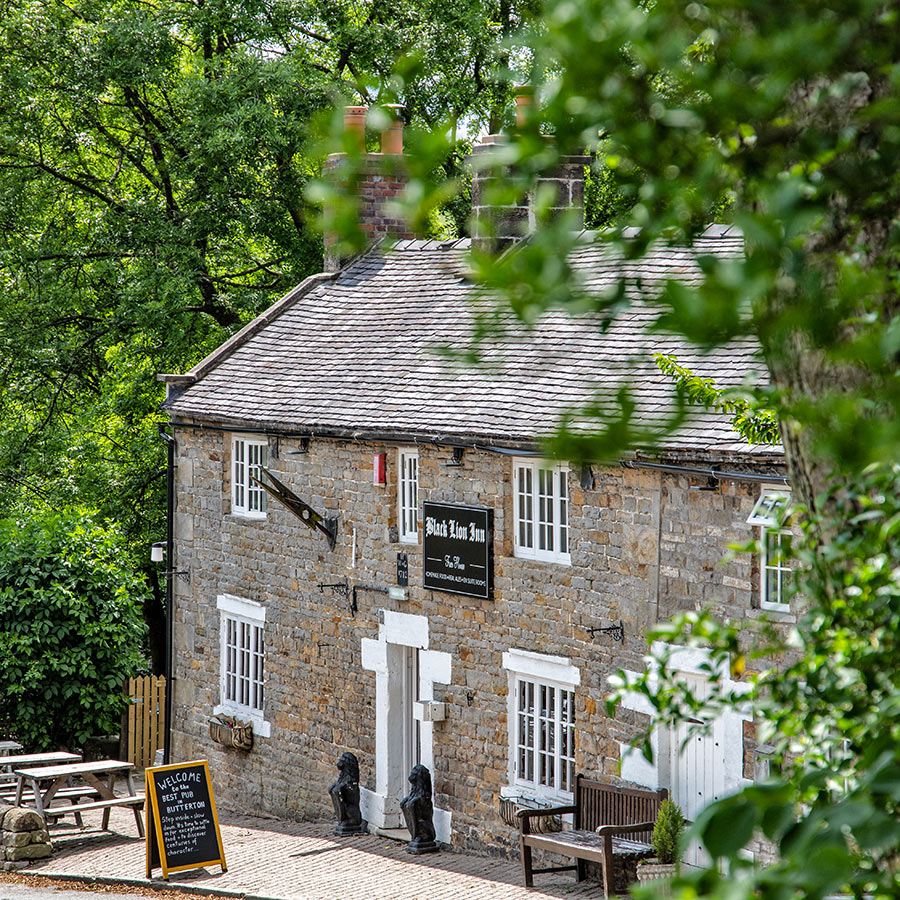
The Black Lion Inn, Butterton
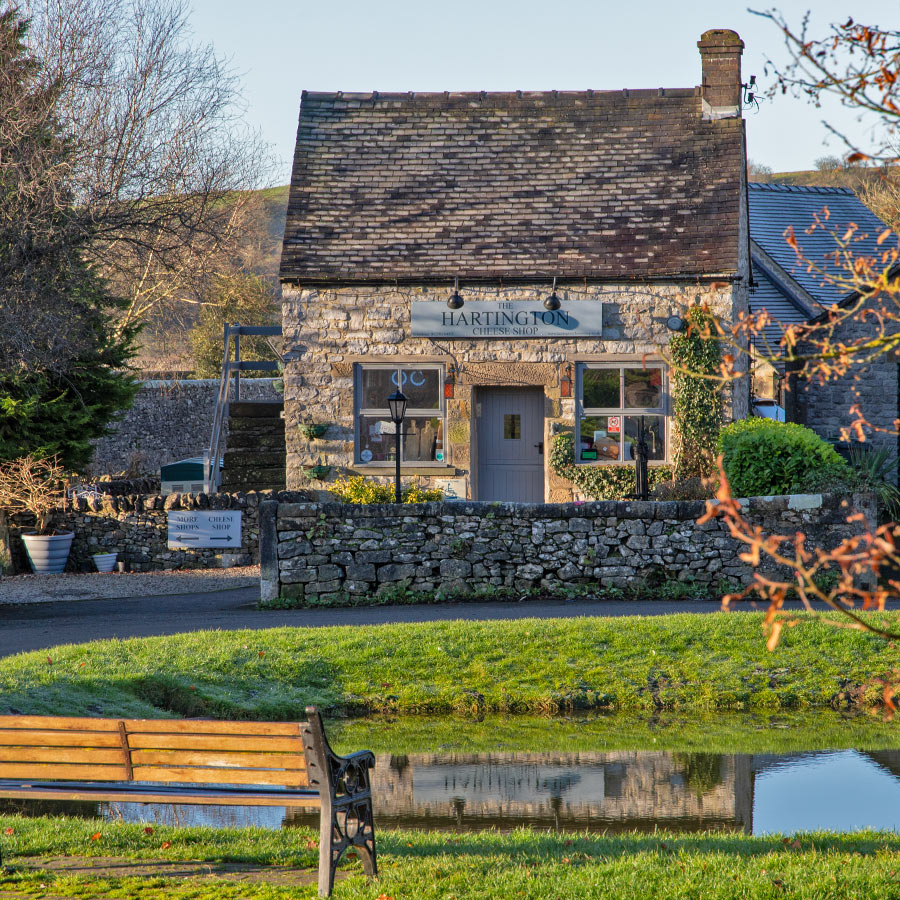
Hartington Cheese Shop and duck pond
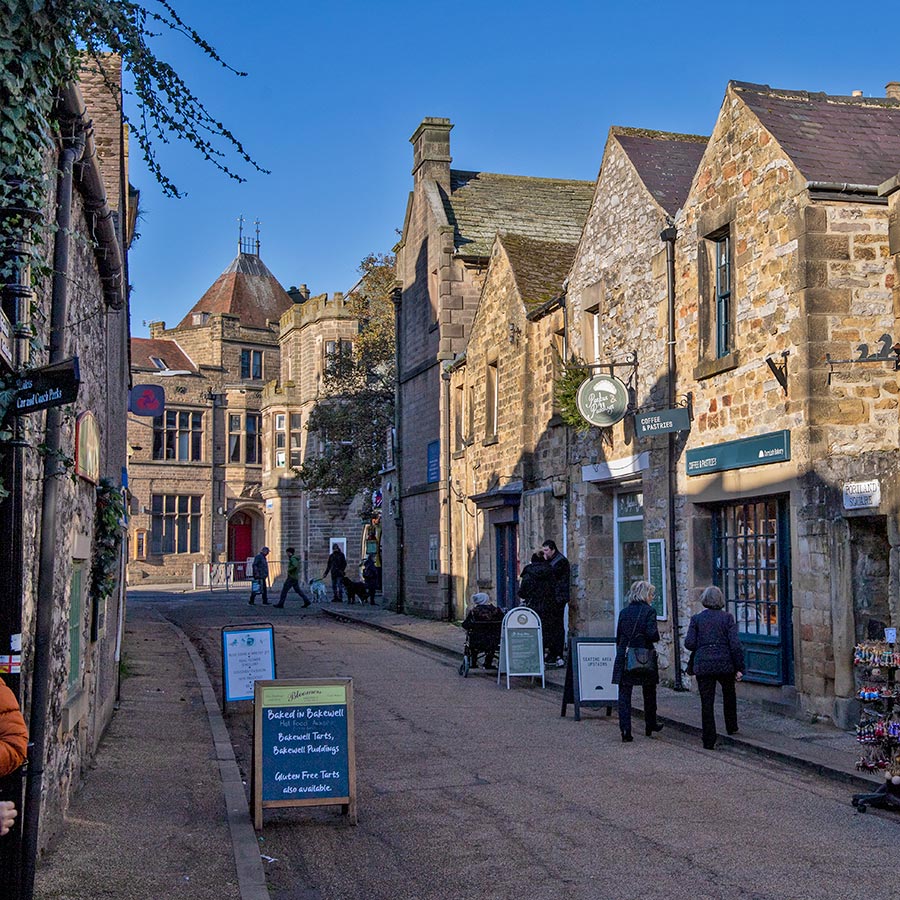
Markets & Market Towns
Bakewell

12 miles from Swainsley Farm

Bakewell, home of the famous almond flavoured tart, nestles under wooded hills on the banks of the River Wye. The river is crossed by a 13th Century 5-arch bridge which is still open to traffic. Unspoilt and very picturesque, Bakewell is a lovely old town (the largest in the Peak District National Park). It’s fine old Georgian buildings are complemented by a large variety of small shops, excellent eating places and pubs.
Generally held on the last Saturday of every month, the District Council’s popular Bakewell Farmers’ Market is now regularly attracting more than 5,000 visitors. Bakewell Show is held in early August and is Derbyshire’s premier agricultural show.
Elegant Chatsworth House and Park is 4 miles east of Bakewell and the medieval manor of Haddon Hall (…‘the most perfect house in England’..) with its beautiful gardens is 2 miles south.
Links
Buxton
12 miles from Swainsley Farm
Buxton is a spa town set in the Derbyshire hills. It was founded by the Romans in 79 AD and is famous for its hot springs and baths. Spring water flows freely from St Annes well for use by the general public.
Over the years the town has benefited from the patronage of the Dukes of Devonshire and has many magnificent 18th and 19th Century buildings: the Crescent, Pavilion Gardens, Opera House and Cavendish Hospital (now the Buxton campus of the University of Derby). The Opera House has a varied programme of plays, music festivals, operas, concerts and pantomimes throughout the year.
Buxton is a thriving market town with many small shops and well known high street names. There’s a wealth of cafes, restaurants and pubs.
Links

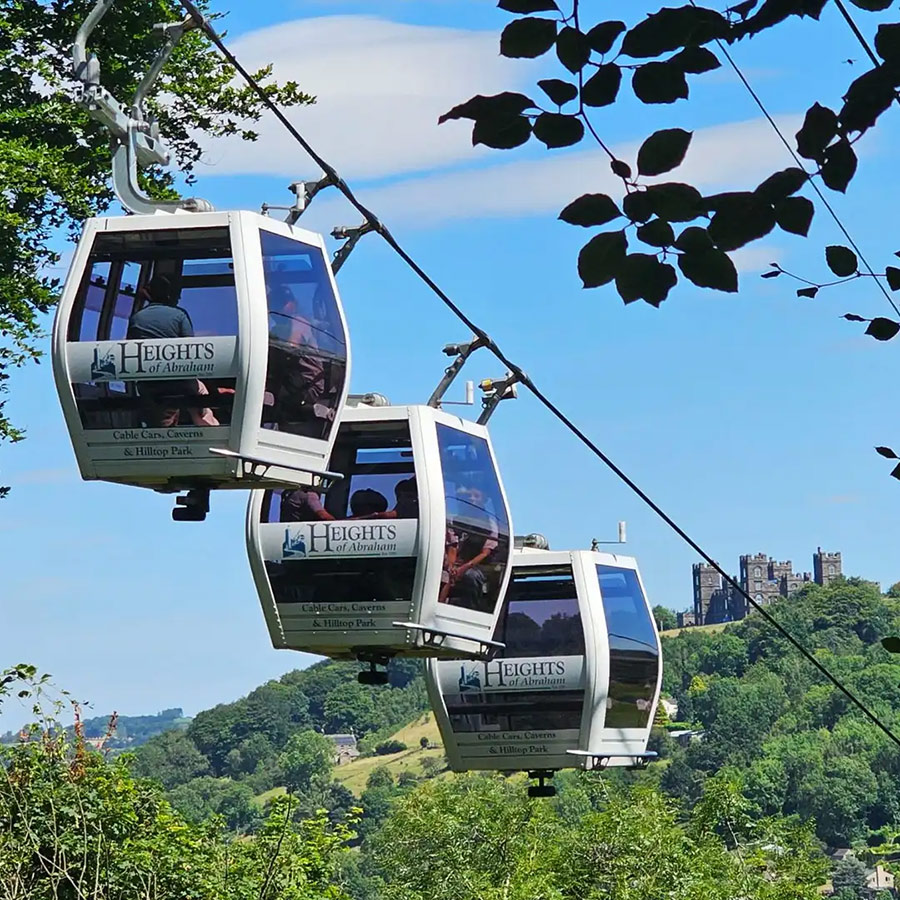
Matlock and Matlock Bath
15 miles from Swainsley Farm
Located on both banks of the River Derwent, Matlock owes much of its development to the Victorian interest in hydrotherapy – the treatment of ailments with water therapies (many of the town’s grand buildings were hydrotherapy hotels). The town is set around Hall Leys Park which has recreational activities including bowls, miniature golf and a miniature railway. The town centre is busy with many small shops and places to eat.
South of Matlock is Matlock Dale, a dramatic limestone gorge overlooked by High Tor (which provides some of the severest rock climbing in the country). From the foot of High Tor runs a cable car across the gorge upto the Heights of Abraham where visitors have wonderful views of the dale and Matlock Bath. This historic village was a health spa in Georgian and Victorian times and has many attractions including the Peak District Mining Museum and Gulliver’s Kingdom (for small children). From the end of August to Late October Matlock Bath hosts the Venetian Nights which includes illuminations and firework displays.
Links
Ashbourne
11 miles from Swainsley Farm
Ashbourne is a prosperous market town of medieval origins situated in a green valley on the east bank of the River Dove. It has a considerable legacy from the past in the form of its fine 13th Century church, Elizabethan grammar school and numerous groups of 17th Century almshouses. Located at the meeting point of six turnpike coaching roads, Ashbourne retains its cobbled market place with alleys and yards which are a delight to explore. It has some of the finest Georgian buildings in Derbyshire.
A thriving agricultural town, Ashbourne is renowned for its boutiques, antique shops, bistros and speciality food shops. Every year at Easter the Shrovetide Football Game takes place – this event has been held for nearly a thousand years and bears little resemblance to normal football. The rough and boisterous game takes place over two days with the town centre boarded-up and goals placed three miles apart. Anybody can take part and there are few rules – not for the faint hearted!
Links
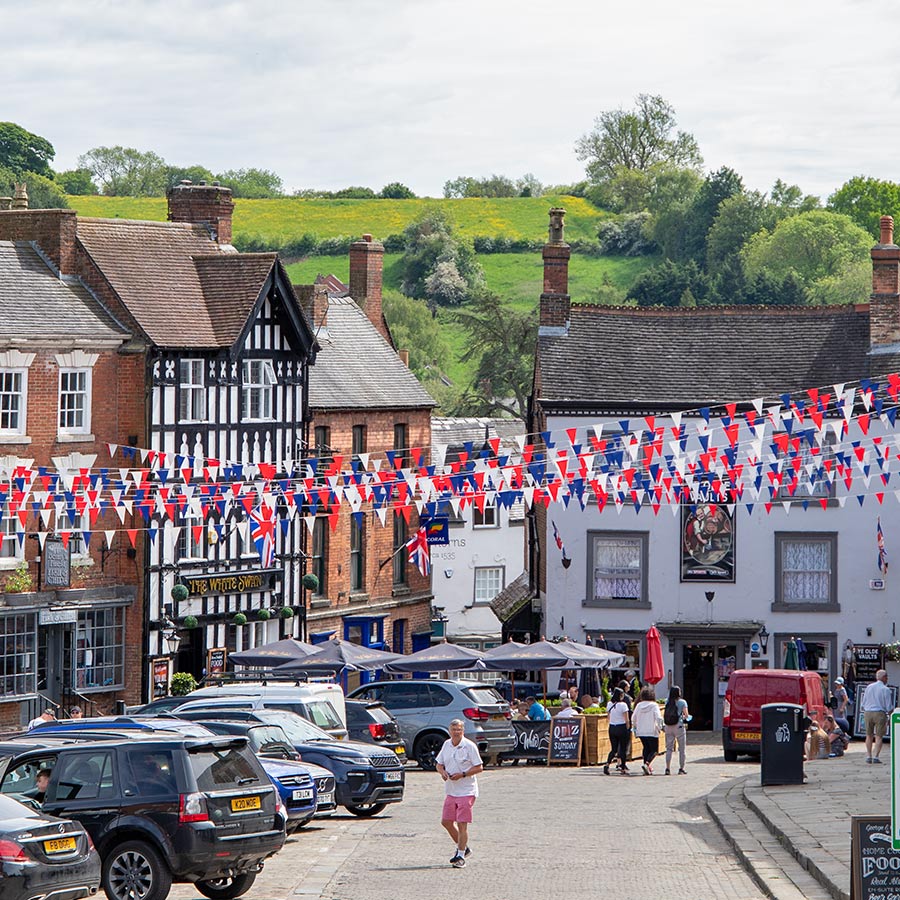

Leek
8 miles from Swainsley Farm
Leek is situated in the Staffordshire Moorlands (part of the southern uplands of the Pennines) and is overlooked by a spectacular rocky escarpment known as the Roaches. It is an ancient borough and takes its name from Dieulacres Abbey founded in 1214 on the banks of the river Churnet. During the 17th century silk manufacturing and dying was established and continued to flourish in the town. In the 19th century William Morris, founder of the Arts and Crafts movement, visited Leek many times and his distinctive designs were used in numerous silk products. Morris and his associates have left a significant mark on the art and architecture of the town.
Centred around the old, cobbled market place, the town has many excellent small shops, cafes, pubs and antiques emporia.
Links
Tourist Information and the Manifold trail
The Peak District National Park Authority has a visitor centre based in the restored former station of the Leek and Manifold Valley Light Railway (L&MVLR) at Hulme End. The Manifold Trail follows the route of this former, narrow-gauge railway line between Waterhouses and Hulme End (approx 8 ½ miles) which operated between 1904 and 1934. The line mainly carried milk and cheese from dairies in the region, acting as a feeder to the standard system at Waterhouses. It also provided passenger services to the small villages and beauty spots along its route.
The track, which is surfaced and level, is shared by walkers, cyclists and pony trekkers – it’s also ideal for wheelchair users and parents with push chairs. The Manifold Trail takes you through some of the most dramatic scenery in the National Park and our guests have direct access as it passes through our fields. We have some adult cycles which guests are welcome to use at no charge. All types of bikes are available for hire at Waterhouses.
There are a number of tea shops along the Manifold Trail (including the Tea Junction in the old engine shed at Hulme End).
Flora and Fauna
Large parts of Ecton Hill have been given ‘Access Land’ status – which means that visitors are free to roam at will. Some areas are owned by the National Trust and a large section has been designated an Area of Special Scientific Interest for the intensity of its wild life and flowers.
Swainsley Farm occupies an area of south facing land along the north bank of the River Manifold. There is considerable ecological interest in the fields, slopes, hollows, wooded banks and riverside of our land. In a botanical survey carried out by the Peak District National Park Authority a total of 86 species were recorded including rare moschatel, agrimony, angelica, betony, ladies mantle, water avens and ladies bedstraw. Wooded banks with grassy glades contain anemones, violets, primroses and bluebells while hedgerows and boundary features around Swainsley Farm have saxifrage, harebells, wild strawberries, salad burnet and cowslips. In summer flower-rich swards are a riot of colour.
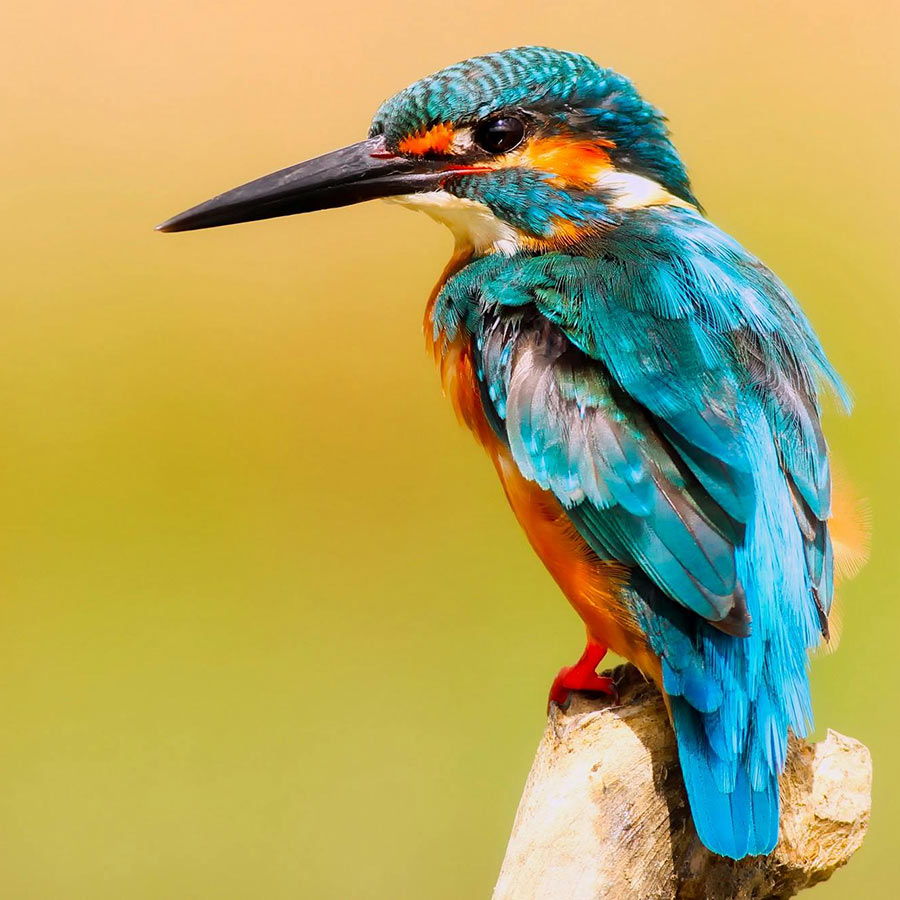
Large parts of Ecton Hill have been given ‘Access Land’ status – which means that visitors are free to roam at will. Some areas are owned by the National Trust and a large section has been designated an Area of Special Scientific Interest for the intensity of its wild life and flowers.
Swainsley Farm occupies an area of south facing land along the north bank of the River Manifold. There is considerable ecological interest in the fields, slopes, hollows, wooded banks and riverside of our land. In a botanical survey carried out by the Peak District National Park Authority a total of 86 species were recorded including rare moschatel, agrimony, angelica, betony, ladies mantle, water avens and ladies bedstraw. Wooded banks with grassy glades contain anemones, violets, primroses and bluebells while hedgerows and boundary features around Swainsley Farm have saxifrage, harebells, wild strawberries, salad burnet and cowslips. In summer flower-rich swards are a riot of colour.
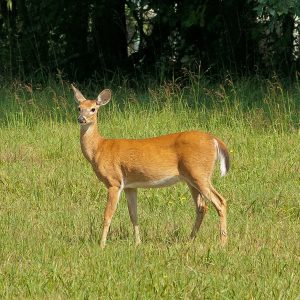
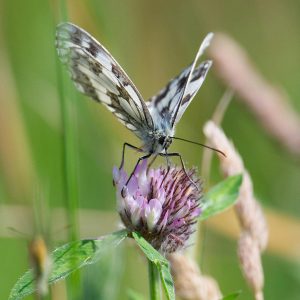
The limestone dales of the White Peak are exceptional for their ash woodlands which are unfortunately now under attack from ‘ash-dieback’. Wych elm remains in many of the woodlands despite the ravages of Dutch Elm disease elsewhere. Birch and holly woodland occur on upper dale slopes. The Manifold River is home to significant stocks of crayfish and fish include bullhead, brook lamprey, wild brown trout and greyling.
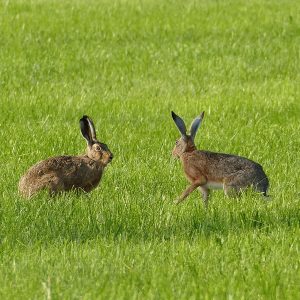
Deer, badgers, foxes, hares and rabbits are frequent visitors and you may also encounter polecats, weasels and stoats. There’s been a number of otter sightings.
Caves and trees in the valley are home to several species of bat and are an essential refuge for many birds including herons, king fishers, buzzards and owls. Swallows are summer visitors and nest in our out-buildings.
Location and Historical Notes
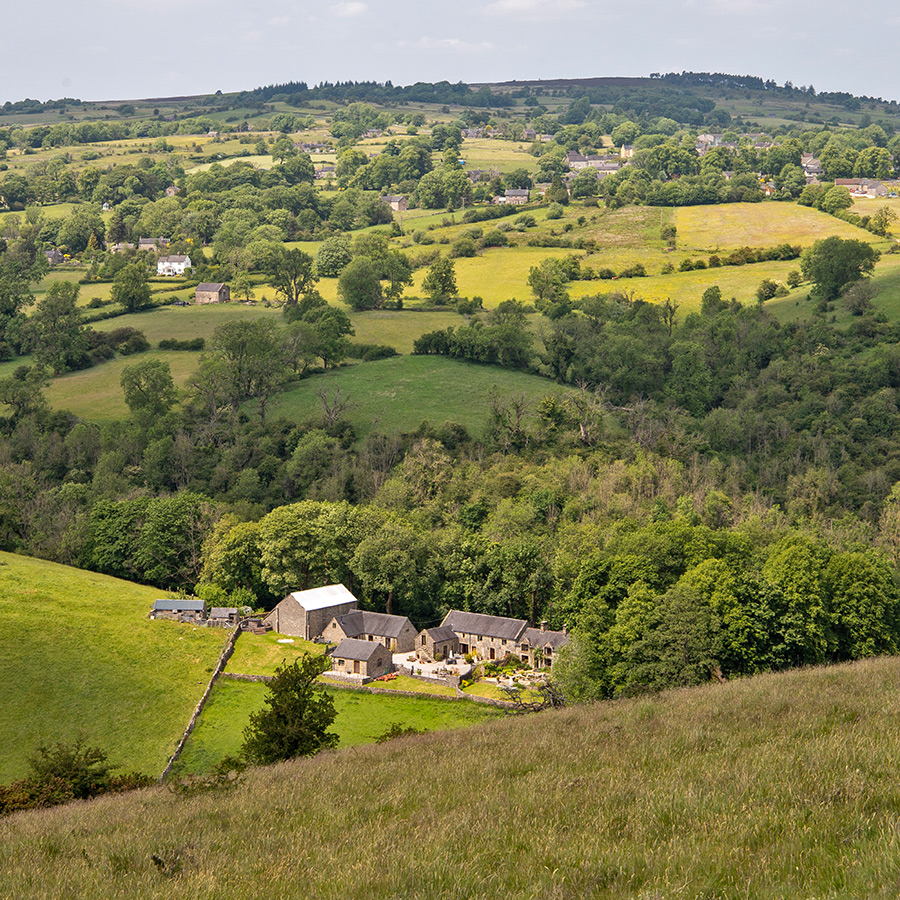
This idyllic and private location on the Derbyshire/Staffordshire border is along a tree lined drive leading from the quiet lane between Butterton and Hulme End. It’s an AONB (an area of outstanding natural beauty) with lush tranquil dales and wild romantic highlands. Swainsley Farm is sheltered by the majestic limestone dome of Ecton Hill which, in the past, formed part of Chatsworth and the Duke of Devonshire’s western estate.
Today, Swainsley Farm is a smallholding of 13 ½ acres with three self-catering cottages in an area rich in birds, wildlife and flowers.
In the 19th Century the Swainsley Estate was owned by Sir Thomas Wardle. He was a well known industrialist with an interest in silks and dying. As a friend and colleague of William Morris he was heavily involved with the Arts and Crafts movement. Morris visited Swainsley many times along with other distinguished artists and writers including Rossetti and Millais. Other famous visitors were Mark Twain and Baden Powell.
Swainsley Farm lies at the heart of an area known as the White Peak, a limestone plateau of green fields and drystone walls, defined roughly as the countryside enclosed by Castleton, Buxton, Bakewell, Matlock and Ashbourne. The rivers Dove and Manifold rise in the gritstones and shales of the Axe Edge moors. They carry rainwater which has cut deeply into the gritstone and then into limestone reef knolls to form deep dales with overhanging pinnacles of rock and fast running streams full of fish. A succession of high hills and dales surround Swasinsley Farm where the rivers occupy gorge-like valleys sliced into the landscape.
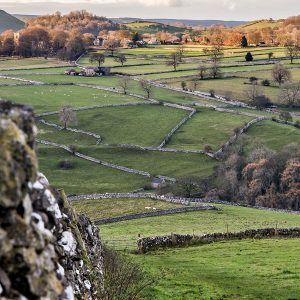
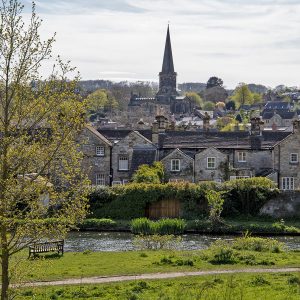
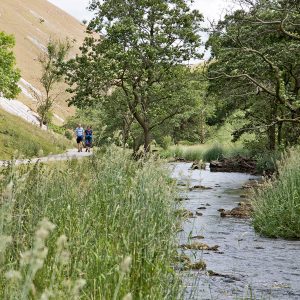
Dovedale and the Manifold Valley are deservedly beauty spots and there are other dales nearby with rippling streams that are a delight to explore. The rivers Dove and Manifold are synonymous with Charles Cotton and Izaak Walton who fished and wrote about these waters three centuries ago. The rich diversity of scenery has long been an attraction for visitors and has inspired many writers over the years.
Swainsley Farm was the ‘home farm’ of the Swainsley Estate and consists of a farmhouse and a substantial range of 18th Century agricultural buildings. They are built from local limestone with gritstone detailing to windows, doors, chimneys, gables and copings. Chris and Liz have converted a barn and former stable block into three cottages – all have stunning views!
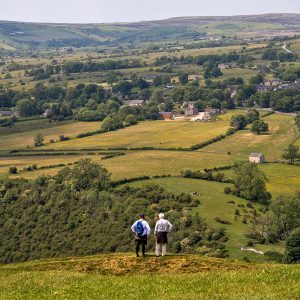
Paths and bridleways link the Manifold Trail, which runs in the valley below Swainsley, to the surrounding limestone plateau. From our cottages you can explore this rugged landscape and its picturesque villages with their ancient churches and welcoming old inns. Other paths climb through woods to the hills which tower high above gorges and wind past fascinating mining remains at Ecton.
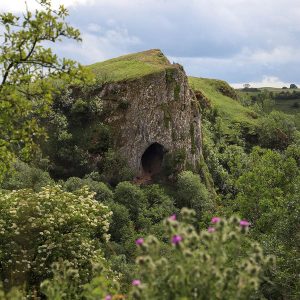
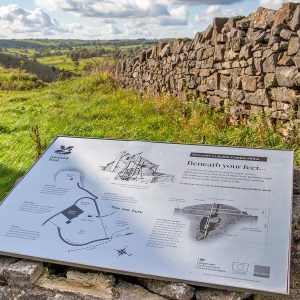
From Bronze Age times, copper and lead deposits were worked for over 3,500 years, ceasing in 1891. During this time fortunes were made and lost. In the 18th Century the Duke of Devonshire made a profit of over £300,000 from the Ecton mines, said to have financed the building of the magnificent Crescent in Buxton and additions to Chatsworth House. These mines are now a Scheduled Monument with the old engine house in the care of the National Trust. The whole area is a site of special scientific Interest (SSSI).
The area is steeped in history and our fields contain evidence of ancient agricultural terracing. There are numerous caves in the Manifold Valley, the biggest and best is known as Thor’s cave at Wetton Mill (about 1.5 miles south of Swainsley Farm). This cave is 250 feet above the river and can be approached from a steep but spectacular footpath. These caves were the homes of stone age dwellers dating back at least 50,000 years and the surrounding hills have many burial mounds, stone circles and other religious sites of prehistoric people.
Swainsley Farm Video
EXPLORE SWAINSLEY FARM
Our three cottages
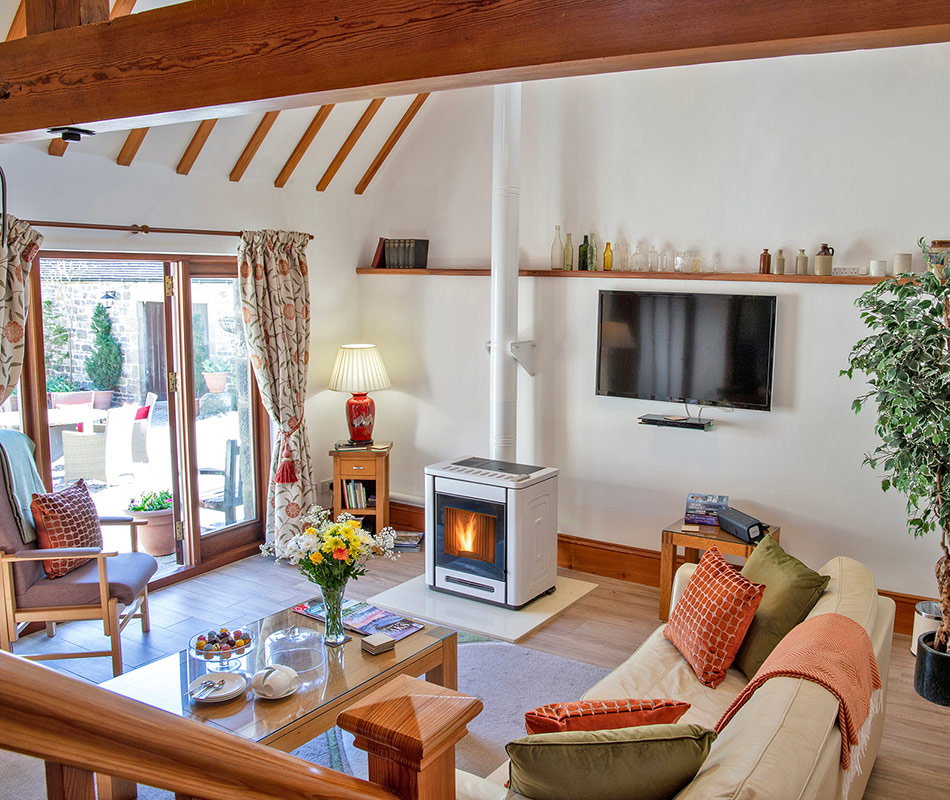
The Coach House
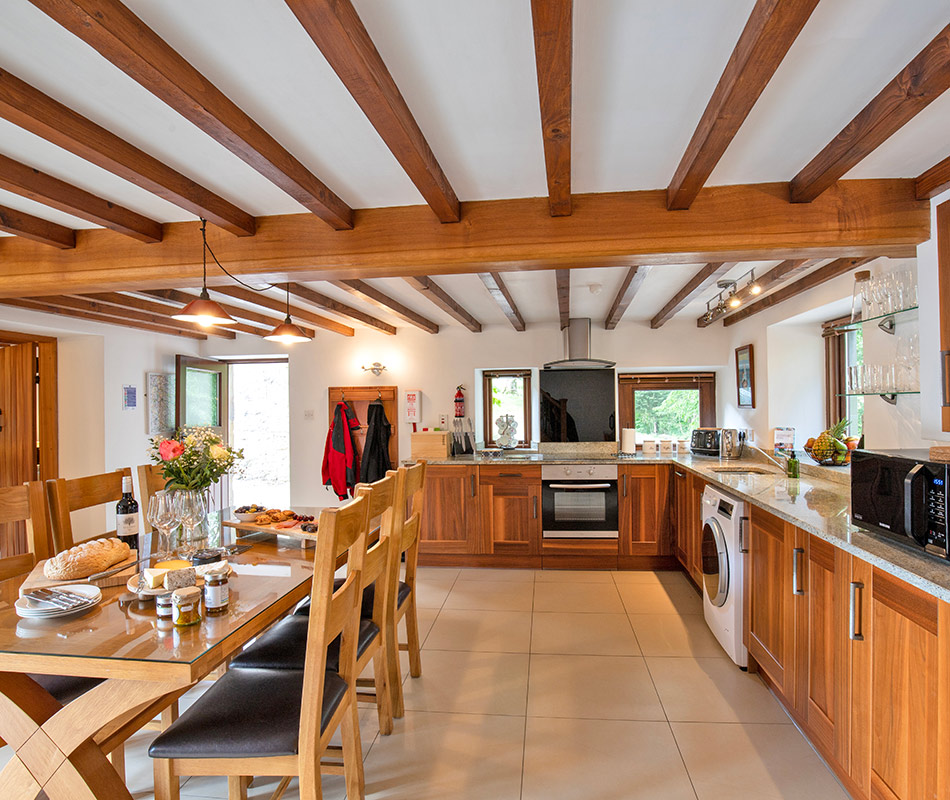
The Haybarn
2 BEDROOMS I SLEEPS 4/5 + COT READ MORE
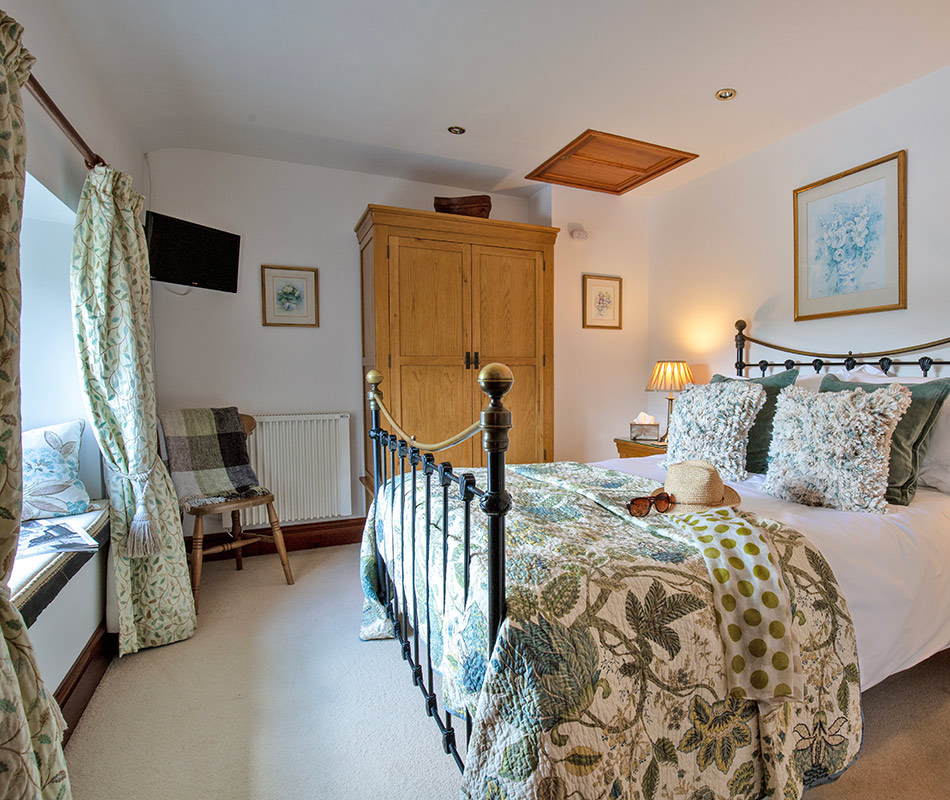
The Old Byre
1 BEDROOM I SLEEPS 2 + COT READ MORE